
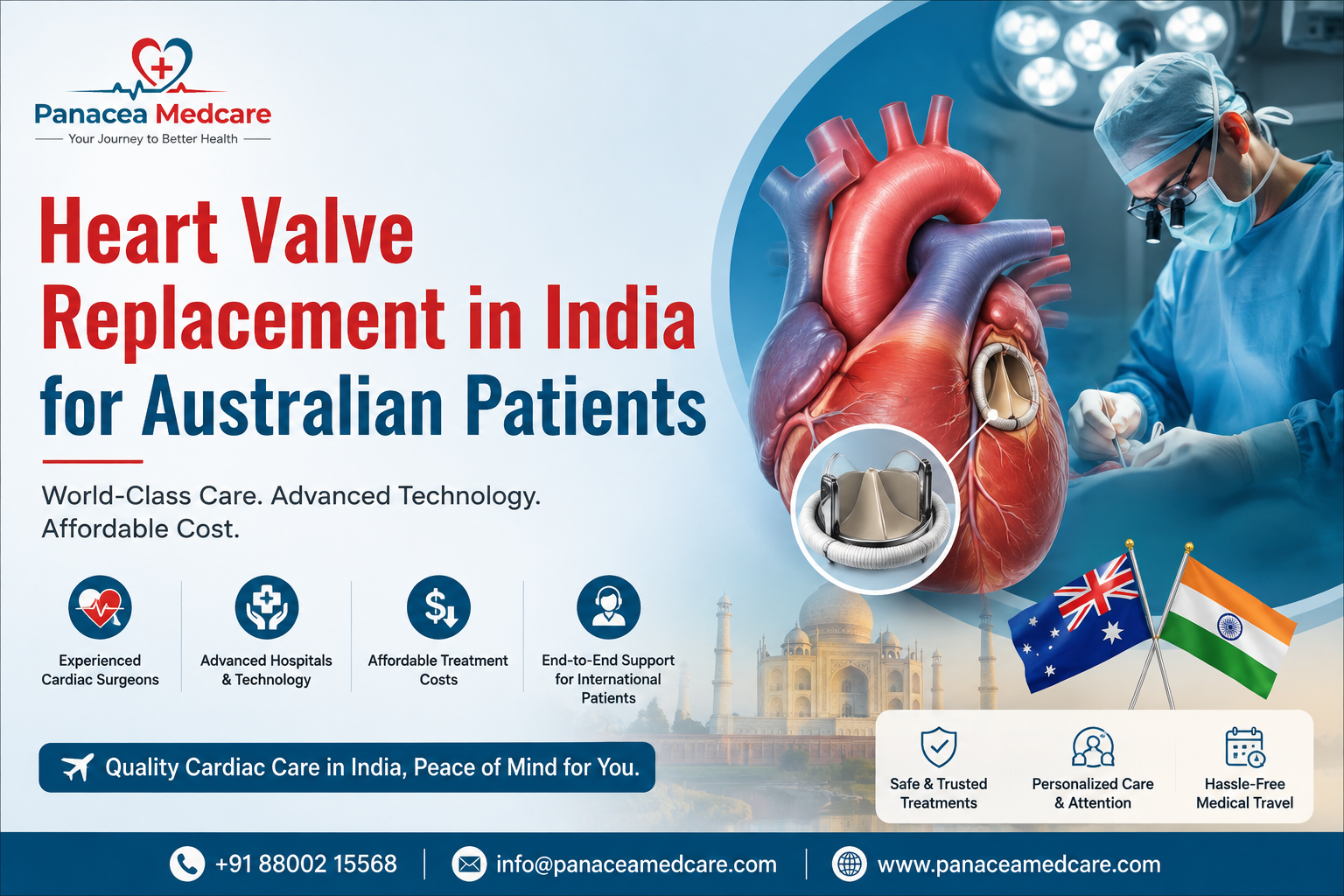
Heart Valve Replacement in India for Australian Patients
It’s no light matter to have heart valve disease, particularly when symptoms such as breathlessness, chest pain, tiredness, or dizziness begin to interfere with your daily life. For a lot of people the long waits and high price of private cardiac care in Australia just pile more stress on top. That’s why Heart Valve Replacement in India for Australian Patients has become a solid option for anyone looking for timely, good-quality heart care that doesn’t cost the earth.
India has cardiac hospitals that are known internationally, heart surgeons with real experience, up-to-date surgical technology, and proper cardiac rehabilitation programmes. Whether you need aortic, mitral, tricuspid, or pulmonary valve replacement, you get treatment plans built around you, shorter waits, and high-level care at a much lower cost than private treatment back home.
This guide covers what Australian patients need to know about Heart Valve Replacement in India for Australian Patients, the procedures available, costs, recovery timelines, and the rest.
What Is Heart Valve Replacement Surgery?
Heart valve replacement is a specialised cardiac procedure performed when one or more heart valves are severely damaged and unable to maintain blood flow through the heart as it should. Heart Valve Replacement in India for Australian Patients is carried out by experienced cardiac surgeons using modern surgical techniques to get the heart working properly again, ease the symptoms, and improve life in the longer term.
Why Heart Valves Need Replacement
There are four valves in the heart which help to ensure blood flows in one direction. If a valve becomes narrowed (stenosis) or if a valve fails to close completely (regurgitation), the heart must try to compensate for this by working harder. If severe valve disease is not treated, it can result in heart failure, stroke, irregular heart rate and other complications.
Common Causes of Heart Valve Disease
There are several different factors that may lead to heart valve problems. Earlier detection provides an opportunity for specialists to determine the optimum course of treatment before permanent heart damage occurs.
- Age-related valve degeneration
- Congenital heart defects
- Rheumatic heart disease
- Infective endocarditis (heart valve infection)
- Calcium deposits causing valve narrowing
- Previous heart attack or heart disease
- High blood pressure
- Other underlying cardiovascular conditions
Symptoms You Should Never Ignore
Symptoms of heart valve disease tend to gradually worsen and the disease can develop over time. If you experience any of these, consult a cardiologist:
- Shortness of breath
- Chest pain or discomfort
- Persistent fatigue
- Dizziness or lightheadedness
- Heart palpitations
- Swollen legs, ankles, or feet
- Fainting or blackouts
- Reduced ability to perform physical activities
When Is Heart Valve Replacement Recommended?
Cardiac specialists may suggest Heart Valve Replacement in India for Australian Patients when one or more of these situations apply:
- Severe heart valve stenosis or regurgitation
- Symptoms that interfere with daily activities
- Reduced heart pumping function
- Progressive worsening of valve disease
- Failure of medications to control symptoms
- Increased risk of heart failure or other complications
- Significant findings on echocardiography or other cardiac investigations
- The valve cannot be effectively repaired and requires replacement
Why Australians Choose Heart Valve Replacement in India
Heart Valve replacement treatment in India for Australians patients is becoming a popular choice among Australians as they want to get all the services combined with expert surgeons, reputed hospitals, advanced technology and lower cost of treatment. Patients want to be treated as soon as possible, have a good clinical outcome, care that is meaningful to them and cost savings.
Highly Experienced Cardiac Surgeons
There are cardiac surgeons in India who are renowned internationally and who perform thousands of heart valve surgeries every year. With such experience, these doctors can perform simple and complicated valve replacement operations with precision.
Internationally Recognized Cardiac Hospitals
Most of the good cardiac hospitals have hybrid operating theatres, advanced cardiac intensive care units, dedicated heart centres and a multidisciplinary cardiac team that are in place to take care of patients from foreign countries properly.
Advanced Surgical Technology
At modern hospitals, treatment is carried out using minimally invasive cardiac surgery, high-definition cardiac imaging, highly advanced heart–lung support systems and, when applicable, robotic-assisted surgical technology, and good diagnostic equipment ensure that treatment is as accurate and safe as possible for the patient.
Shorter Waiting Times
Instead of the long waits many people face in Australia, you can see cardiac specialists, finish the diagnostic tests, and get surgery booked much sooner. That means treatment starts earlier and there’s less chance the disease progresses while you wait.
Affordable Private Cardiac Care
One of the biggest reasons people choose Heart Valve Replacement in India for Australian Patients is that you get proper cardiac treatment at a far lower private healthcare cost while the standards of safety, quality, and personal care stay high.
Comprehensive International Patient Support
Specialist teams of international patients assist in specialist consultations, treatment planning, visa advice, airport transfers, accommodation, interpreter services where necessary and post treatment support. For the Australian patient it makes the journey a lot easier.
Leading Cardiac Surgeons Available Through Panacea Medcare
Choosing the right cardiac specialist is one of the most important decisions when considering Heart Valve Replacement in India for Australian Patients. Through Panacea Medcare, a trusted Medical Tourism Company India and experienced Medical Tourism Facilitator, Australian patients gain access to internationally recognized cardiac surgeons practicing at India’s leading heart hospitals. After carefully reviewing your medical reports, diagnosis, and treatment requirements, we connect you with the most suitable cardiac expert for personalized heart care.
Dr. Swaminathan V
Dr. Swaminathan V is a Senior Consultant – Cardiothoracic & Heart Transplant Surgeon at Apollo Hospitals, Chennai. He specializes in adult cardiac surgery, heart valve replacement, coronary artery bypass grafting (CABG), heart transplantation, ventricular assist devices (VAD), and other complex cardiothoracic procedures, making him a trusted specialist for Heart Valve Replacement in India for Australian Patients.
Dr. Sunil Kumar Swain
Dr. Sunil Kumar Swain is a Senior Consultant – Cardiothoracic Surgery at Apollo Hospitals, Hyderabad. He has extensive experience in heart valve replacement surgery, coronary artery bypass surgery, minimally invasive cardiac procedures, congenital heart surgery, and other advanced cardiovascular treatments.
Dr. Rajneesh Malhotra
Dr. Rajneesh Malhotra is the Chairman – Cardiac Surgery at Max Super Speciality Hospital, Saket. He specializes in complex adult cardiac surgery, minimally invasive cardiac procedures, heart valve replacement, coronary artery bypass surgery, aortic surgery, and heart failure management.
Dr. Balbir Singh
Dr. Balbir Singh is the Chairman – Cardiology at Max Super Speciality Hospital, Saket. He is internationally recognized for his expertise in interventional cardiology, cardiac electrophysiology, pacemaker implantation, catheter ablation, and comprehensive management of complex cardiovascular diseases.
Dr. Ganesh Kumar Mani
Dr. Ganesh Kumar Mani is the Chairman – Cardiovascular & Thoracic Surgery at Max Super Speciality Hospital, Saket. He has extensive expertise in heart valve replacement, minimally invasive cardiac surgery, coronary artery bypass grafting, pediatric cardiac surgery, and other complex heart procedures.
Dr. Sandeep Attawar
Dr. Sandeep Attawar is the Chairman – Thoracic Organ Transplant & Mechanical Circulatory Support at KIMS Hospitals, Hyderabad. He is internationally renowned for heart and lung transplantation, advanced heart failure surgery, artificial heart support systems, complex heart valve procedures, and high-risk cardiothoracic surgery.
Types of Heart Valve Replacement Procedures
Heart Valve Replacement in India for Australian patients will depend on the affected valve, the severity of the issue, patient age, heart functionality and future aspirations. In India, prominent cardiac hospitals provide both open heart surgery and minimally invasive surgery with cutting-edge surgical methods.
Aortic Valve Replacement (AVR)
Aortic valve replacement is done when the aortic valve has narrowed (aortic stenosis) or is leaking (aortic regurgitation). When the valve is damaged, replacement will restore normal blood flow, relieve the symptoms and improve the function of the heart.
Mitral Valve Replacement
If the mitral valve cannot be repaired, it is recommended that it be replaced in cases of severe mitral stenosis or mitral regurgitation. The surgery enhances blood flow, reduces symptoms and can reduce the risk of heart failure.
Tricuspid Valve Replacement
Tricuspid valve replacement is an unusual procedure that may be required in patients who have a severe tricuspid disease which is a result of congenital disease, infection or more advanced heart disease. Surgery restores normal circulation and helps in the proper functioning of the heart.
Pulmonary Valve Replacement
PVR usually occurs in people who have congenital heart disease or if the pulmonary valve is damaged and it affects the circulation between the heart and lungs. By treating the heart early on, you can help it function optimally for the long term, and you can minimize any problems that may occur in the future.
Mechanical Valve Replacement
Mechanical valves are designed to last for many years, and are usually recommended for younger patients. They may last for many years but the patient will likely have to use blood-thinning drugs for the rest of his or her life to prevent blood clots.
Biological (Tissue) Valve Replacement
Biological valves are made from specially treated animal or donor tissue and give a more natural blood flow pattern. They usually don’t need lifelong anticoagulant therapy, so they’re a good option for many older patients.
Minimally Invasive Heart Valve Surgery
A few of the best heart hospitals in India can also provide valve replacement surgery using fewer surgical cuts, which is termed as minimally invasive surgery. This may mean a smaller blood loss, less post-operative pain and a quicker hospital stay and recovery time for the right patient.
Transcatheter Aortic Valve Replacement (TAVR/TAVI)
This is known as TAVI or TAVR, and is a less invasive surgical procedure that’s performed in a small number of patients with what is considered to be the most severe aortic stenosis who might not be a good candidate for traditional surgery. A large number of people recover faster because they do not require the utmost of surgical trauma to replace the valve via a catheter.
Cost of Heart Valve Replacement in India vs Australia
A major reason patients look at Heart Valve Replacement in India for Australian Patients is the chance to get advanced cardiac care at a much lower private healthcare cost. The final figure depends on the type of valve, the surgical technique, the hospital, the surgeon’s experience, and the overall medical condition, but India generally offers strong value without cutting the quality of treatment.
| Procedure | India (USD) | Australia (AUD) |
| Mechanical Valve Replacement | $6,500–$10,500 | AUD 35,000–65,000 |
| Biological (Tissue) Valve Replacement | $7,000–$11,500 | AUD 40,000–70,000 |
| Minimally Invasive Valve Surgery | $8,000–$13,000 | AUD 45,000–80,000 |
| TAVR/TAVI Procedure | $18,000–$28,000 | AUD 55,000–100,000+ |
These costs are indicative only and may differ from hospital to hospital, surgeon to surgeon, type of valve, length of time stay in the intensive care unit, investigations, medications and individual’s medical needs.
What Is Usually Included?
Most hospitals offering Heart Valve Replacement in India for Australian Patients put together treatment packages that can include:
- Cardiology and cardiac surgery consultations
- Pre-operative investigations and cardiac imaging
- Heart valve replacement surgery
- Anaesthesia and operation theatre charges
- Intensive Care Unit (ICU) stay
- Hospital accommodation and nursing care
- Routine medications during hospitalization
- Cardiac rehabilitation guidance
- Discharge planning and follow-up instructions
Recovery After Heart Valve Replacement Surgery
Heart Valve Replacement in India for Australian patients is a slow recovery process. It merges medical supervision, cardiac rehab, a healthy lifestyle and ongoing follow-up. The time it takes varies from procedure to procedure, patient to patient and according to the healing process.
| Recovery Stage | Typical Timeline | What to Expect |
| ICU Stay | 1–3 Days | Continuous monitoring of heart function, blood pressure, oxygen levels, and recovery after surgery. |
| Hospital Stay | 5–10 Days | Pain management, wound care, medication adjustments, breathing exercises, and supervised recovery. |
| Walking | Within 1–2 Days | Gentle walking and physiotherapy begin to improve circulation and support recovery. |
| Light Daily Activities | 4–6 Weeks | Patients gradually resume routine activities while avoiding heavy lifting and strenuous exercise. |
| Return to Work | 6–12 Weeks | Depends on the type of surgery, occupation, and recovery progress as advised by the cardiac surgeon. |
| Full Recovery | 2–3 Months | Most patients regain strength and return to normal activities following medical clearance and rehabilitation. |
| Cardiac Rehabilitation | Several Weeks | Structured exercise, nutrition counselling, lifestyle modification, and regular medical reviews support long-term heart health. |
How to Choose the Right Hospital for Heart Valve Replacement in India
Choosing the right hospital matters just as much as choosing the right surgeon. When you’re looking at Heart Valve Replacement in India for Australian Patients, check the hospital’s cardiac expertise, surgical results, technology, post-operative care, and international patient services so you get the best possible experience.
Choose a Hospital with Dedicated Cardiac Centres
Seek out hospitals that specialise in heart valve replacement surgery and perform many of them annually. The cardiology centres that specialize in the field typically offer established treatment programs and multidisciplinary teams already developed.
Evaluate the Surgeon’s Experience
Inquire about the cardiac surgeon’s experience in performing valve replacement surgery, including TAVR/TAVI and MIS. Frequent complex valve cases allow surgeons to be better equipped to handle tricky situations and obtain good results.
Check Advanced Cardiac Technology
The top cardiac hospitals have a hybrid operating room, sophisticated echo, cardiac catheterization laboratory, minimally invasive surgical systems and a special cardiac intensive care unit which make surgery more precise and keep patients safer.
Review Hospital Success Rates and Patient Care
Consider hospitals with excellent cardiac results, appropriate cardiac rehabilitation, infection control measures and a multi-disciplinary cardiac team that involves patients from diagnosis to recovery.
International Patient Services Matter
The best hospitals for international patients in Australia will offer the following services: online consultations, visa support, accommodation assistance, airport transfers, follow-up coordination after treatment, and a dedicated coordinator for international patients.
How Panacea Medcare Helps Australian Patients
Planning Heart Valve Replacement in India for Australian Patients involves a lot more than just booking the surgery. As a Medical Tourism Company India and Medical Tourism Facilitator, Panacea Medcare handles the whole medical journey so the experience stays safe, comfortable, and as stress-free as possible.
Personalized Hospital & Surgeon Selection
Our medical team thoroughly checks your reports to connect you with the best cardiac surgeon and internationally recognized hospital for your diagnosis, treatment requirements and recovery objectives.
Expert Medical Opinion
They schedule appointments with top cardiac surgeons who assess the problem, discuss the available treatment options, suggest an ideal procedure and provide you with a well-defined treatment plan before you travel.
Transparent Treatment Planning
Patients get detailed treatment plans, estimated costs, expected hospital stay, recovery timelines, and full guidance so they can make decisions with confidence.
Medical Visa & Travel Assistance
Dedicated coordinators help with medical visa documentation, airport transfers, accommodation, local transport, and hospital appointments, which makes the trip to India much simpler.
Dedicated Support Throughout Recovery
From admission through to discharge and follow-up care, Panacea Medcare stays involved, keeping communication open with your healthcare team and offering support even after you return to Australia.
Conclusion
Choosing Heart Valve Replacement in India for Australian Patients gives you more than just lower costs. You get access to internationally recognized cardiac hospitals, experienced heart surgeons, advanced surgical technology, and care that is shaped around the patient. With shorter waiting times, proper cardiac rehabilitation, and strong clinical outcomes, India has become one of the places people trust for advanced heart valve surgery.
At Panacea Medcare the goal is to keep the whole treatment journey straightforward and low-stress. As a Medical Tourism Company India and Medical Tourism Facilitator, they connect Australian patients with leading cardiac specialists and high-quality hospitals while managing every part of the medical travel. From expert medical opinions and hospital selection through to visa help, travel arrangements, accommodation, and post-treatment support, they work to make sure you get solid cardiac care.
Take the first step towards a healthier heart. Contact Panacea Medcare today for your free medical opinion and a personalised treatment plan for Heart Valve Replacement in India.
Frequently Asked Questions
1. Why do Australians choose Heart Valve Replacement in India?
Australian patients choose Heart Valve Replacement in India for Australian Patients because of the experienced cardiac surgeons, advanced hospitals, shorter waiting times, and much lower private treatment costs.
2. What types of heart valve replacement surgeries are available in India?
India offers aortic, mitral, tricuspid, pulmonary, minimally invasive, mechanical, biological valve replacement, and TAVR/TAVI procedures depending on the patient’s condition.
3. Is Heart Valve Replacement in India safe for Australian patients?
Yes. Leading cardiac hospitals follow internationally accepted treatment protocols, use advanced surgical technology, and have experienced multidisciplinary cardiac teams.
4. How long should I stay in India after heart valve replacement surgery?
Most Australian patients stay in India for about 3–4 weeks. That gives enough time for the surgery, recovery, follow-up checks, and medical clearance before heading home.
5. How do I choose the right cardiac hospital in India?
Look for a hospital with experienced cardiac surgeons, dedicated heart centres, advanced technology, strong surgical outcomes, and proper international patient support.
6. What is the recovery time after heart valve replacement surgery?
Most patients get back to light activities within 4–6 weeks. Full recovery usually takes 2–3 months, depending on individual health and how the rehabilitation goes.
7. How does Panacea Medcare help Australian patients?
Panacea Medcare helps with specialist selection, hospital recommendations, medical opinions, treatment planning, visa support, travel arrangements, accommodation, and full medical journey coordination.