Success Rates of BMT in India – What You Should Know
A bone marrow transplant can be among the most important types of treatment that can lead to long-term survival and recovery of patients diagnosed with blood cancers and other severe blood disorders. Many of these conditions, including leukemia, lymphoma, multiple myeloma, aplastic anemia, and thalassemia, often require high-level transplant care to improve their results.
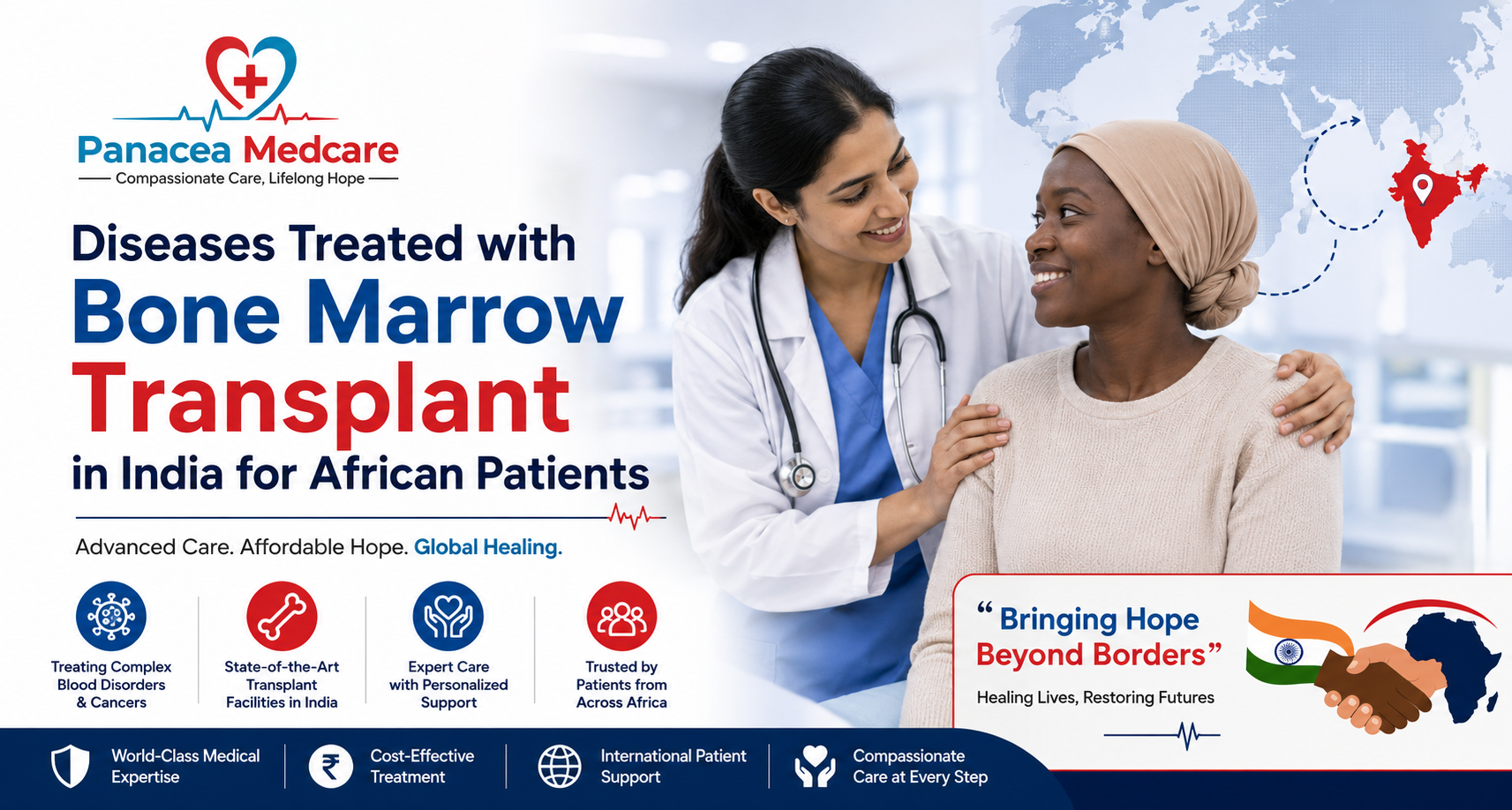
Due to high success rates, qualified hematologists, state-of-the-art transplant centers, and low-cost treatment options, BMT has become a reliable option among international patients. Nigerian, Kenyan, and other African patients are increasingly opting to have a bone marrow transplant in India to not only access the world-class medical expertise but also do so at a lower cost than what is offered by Western countries.
Nevertheless, the most essential question is what it is like in reality (what is the actual success rate)? It is necessary to know the Bone Marrow Transplant Services, the consequences of transplants, and aspects of recovery prior to this life-changing decision.
What is Bone Marrow Transplant?
Bone marrow is the soft tissue found within the bones and gives rise to blood cells.
In cases where bone marrow is destroyed by cancer, the body is unable to produce normal blood cells.
A Bone Marrow Transplant in India involves the replacement of the damaged marrow by healthy stem cells. This enables the body to restructure a healthy blood-building system. It is among the most developed Bone Marrow Transplant Services existing.
Diseases Treated by BMT in India.
Highly skilled hematology professionals and sophisticated transplant units have made BMT in India a preferred option of treatment by domestic and international patients over the years.
Bone Marrow Transplant in India is usually advised in situations where standard therapy treatments such as chemotherapy or medications have proven ineffective or when the long-term management of the disease may require replacement of unhealthy bone marrow.
Leukemia
One of the most frequent diseases that is being treated using bone marrow transplant is leukemia. It affects the tissues of blood formation, and most of the time it requires a transplant in case it has been given chemotherapy in order to replenish healthy bone marrow.
Lymphoma
Patients with aggressive or relapsed lymphoma might require a transplant in order to improve survival over the long-term and to reduce the chance of recurrence.
Multiple Myeloma
There is a lot of use of bone marrow transplants to treat multiple myeloma, and the autologous transplant is specifically enhances disease control and increases remission.
Aplastic Anemia
This disorder prevents the body’s marrow cells from producing sufficient blood cells. A transplant may be used to restore healthy blood production.
Thalassemia
Children with severe thalassemia may be helped by early transplant, which may provide a long-term cure and limit reliance on regular blood transfusions.
Sickle Cell Disease
The bone marrow transplant may serve as a curative measure for patients with severe sickle cell disease, particularly when the complications become common.
Myelodysplastic Syndromes (MDS)
MDS interferes with normal blood cell formation and can lead to leukemia. It is usually recommended that a bone marrow transplants be long-term in controlling the disease.
Types of Bone Marrow Transplant in India
The success largely depends on the type of transplant.
Autologous Bone Marrow Transplant
In this type of transplant, it utilizes the patient’s own stem cells. It minimizes the risk of rejection.
The maximum success rates for autologous transplants can be 80 percent and 90 percent, respectively, depending on the type of disease.
Allogeneic Bone Marrow Transplant
It involves donating stem cells. It is prevalent with leukemia and serious blood disorders. Donor compatibility is crucial to success.
Related-donor transplants usually have a success rate of 70-90%.
Haploidentical Transplant
This involves a half-brother or sister donor, typically a parent or sibling.
It has increased the number of donors in India and increased access to BMT in India.
What Is the Success Rate of BMT in India?
This is the question of utmost importance to patients.
The overall success of Bone Marrow Transplant in India typically falls between 60% to 90%, depending on the type of transplant as well as on the condition of the disease.
Nonetheless, not all patients have the same success rate.
Survival rates for different diseases vary.
Success Rate in Autologous BMT
Autologous transplants tend to be more successful because there is no donor rejection.
Success rate: 80% to 90%
This is among the best results in Bone Marrow Transplant Services.
Success Rate in Allogeneic BMT
The success of an allogeneic transplant would be determined by the quality of the donors and the level of the diseases.
Success rate: 60% to 85%
Higher donor match results in higher outcomes.
Success Rate in Pediatric BMT
Children tend to demonstrate better transplant recovery.
Other disorders, such as thalassemia, may demonstrate success rates of over 80% in expert centers.
Factors That Affect Bone Marrow Transplant Success Rates
The success of a bone marrow transplant requires much more than the process itself. A number of medical and treatment-related variables directly affect recovery, survival, and long-term outcomes.
Knowing these factors can help patients better determine their treatment decisions and better the expectations before undergoing BMT in India.
Type and Stage of Disease
The nature of the disease and the level to which the disease has progressed by the time the organ is transplanted makes a huge difference in success. Patients who were diagnosed and treated at a younger age tend to have improvement in their transplant results.
Patient’s Age and Overall Health
Younger patients, in turn, tend to recover more quickly because their immune systems and bodies are better able to handle the transplant process. Overall health and organ function also impact recovery.
Donor Match Compatibility
Donor matching is often considered one of the most important success factors in allogeneic transplants. A better HLA match can help minimize complications and improve transplant acceptance.
Type of Bone Marrow Transplant
The different risk levels and success rate of autologous, allogeneic, and haploidentical transplants. The type of transplant on the right will be determined by the disease condition.
Hospital Expertise and Transplant Team
The experience of the transplant center and specialists is a significant factor in treatment planning, the management of complications, and the care of the transplant recipient.
Infection Control After Transplant
The immune system is weak after the Bone Marrow Transplant in India. Infection control and close monitoring are very important to the successful recovery.
Post-Transplant Follow-Up Care
Follow-up, drugs, blood tests, and lifestyle management are crucial in enhancing long-term success of transplantation and reducing relapse and complications.
Why BMT in India Has High Success Rates
BMT in India has gained high levels of confidence among international patients due to its improving success rates, advanced transplant infrastructure, and qualified medical teams.
By applying medical knowledge, leveraging modern technology, and providing organized post-transplant support, India has emerged as one of the best destinations for bone marrow transplants.
It is difficult to say that the success of Bone Marrow Transplant in India is attributable to a single factor. It constitutes the product of several systems, which combine to enhance the treatment outcomes and patient recovery.
Experienced Hematologists and Transplant Specialists
Hematologists and bone marrow transplant specialists who are highly experienced in India and handle complex cases of blood cancer and blood disorders on a regular basis. Their skills are used to facilitate better treatment planning and to manage complications.
Advanced Transplant Units
The most advanced hospitals in India have bone marrow transplant units that are HEPA-filtered rooms, sterile isolation rooms, and infection-controlled rooms, which are significant in offering safer recovery after transplant.
Better Donor Matching Systems
Effective donor matching has a significant contribution to successful transplants. Enhanced Bone Marrow Transplant Services in India have been supported by advanced donor-matching systems and improved transplant protocols.
Strong Infection Control Protocols
Post-transplant infection is one of the greatest risks. Indian transplant centers follow infection prevention systems, which help minimize complications and improve survival rates.
Comprehensive Pre-Transplant Evaluation
Prior to the start of the transplant, patients undergo extensive medical examinations, organ functionality tests, and illness testing. It helps physicians be better prepared and enhances transplant preparedness.
Structured Post-Transplant Care
The post-transplant recovery is essential, as is the process itself. Indian hospitals provide effective post-transplant follow-up, frequent follow-ups, and support care to enhance long-term outcomes.
Affordable Treatment Improves Completion Rate
Affordability is one of the key benefits of BMT in India. The reduced treatment costs will enable patients to complete their treatment without financial hiccups, thereby contributing to improved treatment outcomes.
Bone Marrow Transplants in India vs Other Countries
Success rates in India are now comparable to those in the rest of the world.
India vs USA
India can provide similarly high standards of transplant care, but at very low prices. In India, the success rate of Bone Marrow Transplant is competitive.
India vs UK
The treatment time lag may influence the course of the cancer. India tends to offer earlier transplant schedules.
India vs Africa
In most African nations there are scarce state-of-the-art transplant units. India has a better infrastructure and access to specialists. This renders BMT in India a viable treatment option.
Recovery After Bone Marrow Transplant in India
One of the most crucial steps of a successful transplant is recovery. It is actually a process that can only be considered one stage among the steps. The mechanisms of response, adaptation, and reformation of healthful cells in the blood following transplant are significant factors of long-term success. Patients must receive professional medical treatment, protection against infections, and frequent monitoring to help them recover safely in India after a bone marrow transplant.
Hospital Stay
Most of the patients remain in the hospital about 3 to 6 weeks after the transplant, based on their condition and type of transplant. It is also during this time frame that doctors will be closely watching blood counts, organ function, and signs of infection as the new stem cells await to begin their work.
Immune Recovery
BMT in India leaves the immune system extremely weak because high-dose treatment disrupts the body’s natural defense system. Rebuilding immunity typically needs several months; thus, infection prevention and thorough hygiene are paramount.
Follow-Up Care
It is necessary to follow up post-discharge. Patients should have blood tests, medical reviews, and regular check-ups to determine the effectiveness of the new marrow. Quality Bone Marrow Transplant Services include good post-transplant follow-up.
Long-Term Recovery
The length of time it takes to fully recuperate after a transplant may be up to 6 to 12 months or even longer in certain instances. Energy, immunity, and normal body functioning gradually return over time, depending on the patient’s condition and the severity of the illness.
Risks That Can Affect BMT Success
Like any other significant medical therapy, bone marrow transplant carries risks. Knowledge of these risks will help patients be better prepared and act promptly if complications arise. Management of complications in the early stages can enhance the success of Bone Marrow Transplant in India.
Infections
Once transplanted, the body will be at high risk of infection due to very low immunity. Even the slightest infection can develop into a severe one, which is why infection control and maintaining a sterile environment are important.
Graft-versus-Host Disease (GVHD)
GVHD is a complication seen in transplants that use donor cells to treat the patient, as the donor cells attack the patient’s healthy tissues. It can be the skin, liver, or digestive tract, and must be performed with extreme caution under medical supervision.
Graft Failure
In other instances, the transplanted stem cells might fail to grow normally or develop into healthy blood cells. It is referred to as “graft failure,” and it can affect the overall success of the transplant.
Disease Relapse
In certain types of blood cancers, the disease might recur despite transplantation. This is the reason why long-term follow-up, testing, and monitoring are still a significant component of the Bone Marrow Transplant Services.
How to Improve BMT Success Rates
Although hospitals and the Bone Marrow Transplant doctors who work there greatly contribute to transplant success, patients also play an important role in improving transplant outcomes. Pre- and post-BMT procedures can help enhance long-term outcomes by ensuring everyone takes the right steps.
Choose the Right Hospital
Among the most vital decisions is to choose an experienced transplant center. Hospitals with more advanced transplant units and specialists are stronger in offering Bone Marrow Transplant Services and in managing complications.
Follow Medical Advice Strictly
Patients should care about taking all prescribed medications, following up on dates, and adhering to hygiene guidelines thoroughly. Lacking drugs or neglecting health advice may have an impact on recovery.
Maintain Proper Nutrition
Proper nutrition helps the body heal itself faster, regenerate blood cells, and boost the immune system. Another significant aspect of a post-transplant recovery is nutrition.
Avoid Infection Exposure
To reduce the risk of infection and maintain weak immunity, patients should avoid crowded places, sick people, and unhygienic settings during recovery.
Cost of Bone Marrow Transplant in India
The cost factor is one of the primary reasons international patients choose to undergo a bone marrow Transplant in India. Bone marrow transplant is a very specialized form of treatment that can be very costly in most countries, particularly in the USA, UK, and Europe. India has the same high-level transplant surgeries, skilled specialists, and specialized transplant units at much lower prices.
The nature of the transplant, the disease condition, the hospital type, the donor matching process, and after-sale services are some of the variables that depend on the overall price of BMT in India.
Autologous Bone Marrow Transplant Cost
During an autologous transplant, the patient receives his own stem cells. This type of transplant is the most common and least complex, and it costs USD 12,000 to USD 20,000.
Allogeneic Bone Marrow Transplant Cost
An allogeneic transplant involves donor stem cells and requires a compatible match and intensive monitoring. The cost usually ranges from USD 18,000 to USD 35,000.
Haploidentical Bone Marrow Transplant Cost
In this transplant, a half-matched donor is normally used, normally a parent or sibling. It is more complicated and can cost USD 20,000-USD 40,000.
Donor Testing and Matching Cost
In the case of donor-based transplants, HLA matching and donor screening are significant aspects of the process that could result in extra costs.
Hospital Stay and Isolation Room Charges
In many cases, the cost of bone marrow transplantation is included in the overall treatment cost, since it often involves extensive hospitalization in sterile isolation rooms.
Post-Transplant Medicines and Follow-Up
Patients can require several months of medications, blood tests and follow-up visits, which should be included in the overall treatment budget.
Why International Patients Choose Bone Marrow Transplant Services in India
Bone marrow transplant has become a favored destination in India due to its advanced medical care, specialists, and lower-cost treatment for international patients.
Access to Experienced Specialists
Hematologists and Bone Marrow transplant specialists like Dr. Shishir Seth in India have highly experienced specialists who regularly treat complex blood disorders, thereby enhancing treatment planning and transplant outcomes for international patients.
Advanced Transplant Infrastructure
The primary hospitals have special transplant units, HEPA-filtered rooms, sterile environments and advanced ICU support of transplant procedure and recovery.
Affordable Treatment Costs
Bone Marrow Transplant Service in India is much cheaper than in Western countries, and advanced transplant services are available to international patients.
Faster Treatment Planning
Indian hospitals have also been characterized to offer faster consultations, faster donor examination, and earlier treatment scheduling, which is of significance in emergent cases of blood cancer.
Better International Patient Support
Facilitators and hospitals assist with medical visas, travel arrangements, accommodation, and treatment arrangements, thus making the whole process easier for the patients.
Advanced Donor Matching Systems
Better donor-matching technology and transplant regimens enhance transplant success rates and help patients find an appropriate donor match more effectively.
Complete Post-Transplant Care
Patient long-term transplant success and patient safety in recovery after treatment are improved with recovery support, regular follow-ups, monitoring of infection and long-term care planning.
How Panacea Medcare Helps with Bone Marrow Transplant in India
The process of bone marrow transplant can be seen as far more than just a hospitalization.
It can be hard to choose the appropriate hospital, get in touch with the transplant specialists, comprehend the needs of the donors and plan the traveling.
Panacea Medcare assists foreign patients in connecting with reputable hospitals and high-quality Bone Marrow Transplant services in India.
Support includes:
- hospital selection
- specialist appointments
- treatment planning
- cost estimation
- visa guidance
- accommodation support
- travel coordination
- post-treatment support
This will simplify and streamline Bone Marrow Transplant in India among international patients.
Conclusion
One of the latest and most effective life-saving therapies offered in response to blood cancers and severe blood disorders is a bone marrow transplant.
BMT success in India is determined by timing, the quality of the hospital, donor compatibility, and post-transplant care, but overall outcomes are high and internationally competitive today.
With success rates ranging between 60% to 90%, advanced transplant units, experienced hematologists, and affordable care, Bone Marrow Transplant in India has become a trusted choice for patients worldwide.
At Panacea Medcare, we have helped many international patients in Nigeria, Kenya, and other African countries connect with reputable transplant experts in India.
Selecting a hospital, planning your transplant, getting travel support, and full treatment planning, Panacea Medcare can make your transplant experience easier, quicker, and safer.
Considering a Bone Marrow Transplant in India, early guidance can significantly improve treatment outcomes.