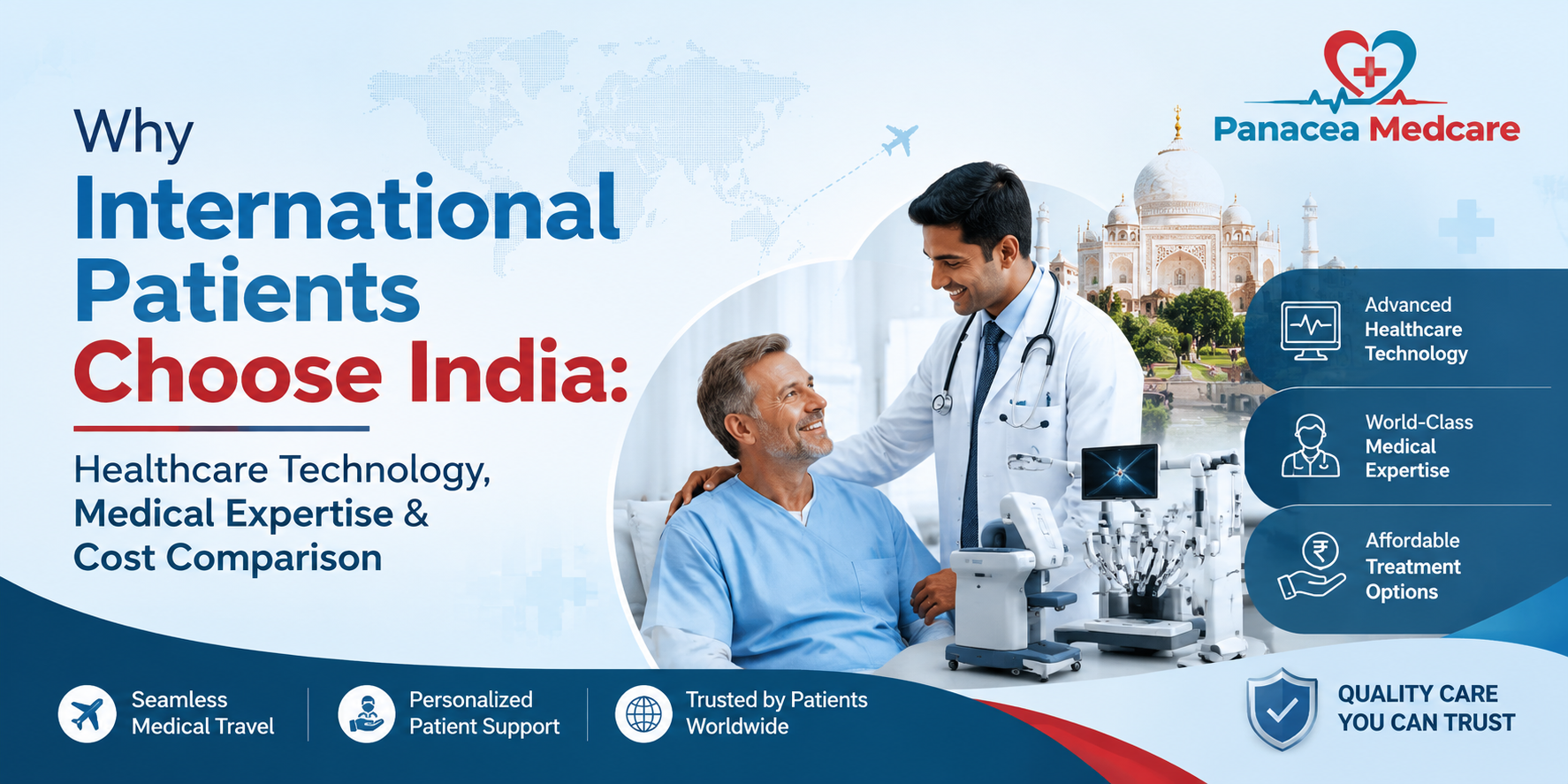
Why International Patients Choose India: Healthcare Technology, Medical Expertise & Cost Comparison
Medical Treatment in India has become a preferred choice for international patients seeking advanced healthcare, experienced specialists, and affordable treatment options. India offers world-class medical infrastructure, internationally accredited hospitals, cutting-edge technology, and highly skilled doctors across specialties such as cancer care, cardiac surgery, organ transplants, robotic surgery, orthopedics, and bone marrow transplants.
Patients from Africa, the Middle East, Europe, Australia, and North America increasingly travel to India due to high healthcare costs, long waiting periods, limited access to specialized procedures, and insurance-related challenges in their home countries. In contrast, India provides timely access to advanced treatments at significantly lower costs without compromising quality.
Over the past two decades, these advantages have positioned India as a global healthcare destination and fueled the rapid growth of Medical Tourism in India. Today, thousands of international patients trust India for complex medical procedures, comprehensive patient support, and high-quality healthcare outcomes, making it one of the world’s leading medical tourism hubs.
How India Became a Global Healthcare Destination
The healthcare system in India has changed significantly over the past 20 years.
Healthcare providers have focused on investing in:
- advanced diagnostic technology
- robotic surgical systems
- precision oncology
- transplant infrastructure
- minimally invasive surgery
- digital healthcare systems
- artificial intelligence-based diagnostics
This has seen India become one of the top international healthcare destinations in the world.
Medical Treatment in India has become a destination of patients in over 100 countries today in pursuit of specialized care.
Advanced Healthcare Technology in India
The greatest myth of international healthcare is that cheap costs of treatment equate to poor standards of technology.
As a matter of fact, most of the top Indian hospitals have technologies similar to those implemented in major health care facilities worldwide.
Robotic Surgery Systems
Robotic-assisted surgery has revolutionized various fields such as:
- urology
- oncology
- gynecology
- gastrointestinal surgery
- cardiac surgery
Robotics are used to enhance accuracy and minimize time of recovery and surgery trauma.
Artificial Intelligence in Healthcare
AI is increasingly being used in:
- medical imaging
- cancer detection
- pathology analysis
- treatment planning
- patient monitoring
Such technologies are used to enhance accuracy of diagnosis and decision-making.
Advanced Cancer Treatment Technology
The modern cancer centers in India provide:
- precision oncology
- targeted therapy
- immunotherapy
- molecular diagnostics
- advanced radiation therapy
These innovations can be used to personalize treatment based on the individual patient’s condition.
Digital Pathology and Imaging
High-resolution imaging and digital pathology enhance disease detection and treatment planning.
Bone Marrow Transplant Technology
India has also developed good transplant units equipped with improved infection control, donor matching, and stem cell processing.
Medical Expertise That Attracts Global Patients
The presence of technology is not a guarantee of a successful treatment outcome.
Expertise is also one of the greatest motivations that compels patients to make India a choice.
Highly Experienced Specialists
India is internationally known to have specialists in various fields such as:
- oncology
- cardiology
- neurosurgery
- hematology
- transplant medicine
- orthopedics
Numerous physicians are dealing with a large number of complex cases in a year.
Multidisciplinary Treatment Approach
Having multiple specialists is often necessary for complex diseases. Multidisciplinary teams are common in Indian hospitals, where they are integrated in the diagnosis and treatment planning.
Continuous Medical Advancement
Indian experts frequently take part in:
- international conferences
- research programs
- clinical studies
- medical innovation initiatives
This will assist in the exposure to changing international healthcare standards.
Medical Treatment in India vs Australia
Australia boasts a good healthcare system, and international patients compare the availability and the cost of treatment with other countries.
Treatment Costs
In Australia, sophisticated procedures are much more costly.
Waiting Periods
There might be some waiting times in certain specialist consultations and procedures.
Access to Specialized Procedures
Most of the advanced treatment programs are readily available in India.
Technology Availability
The use of technologies similar to those used in developed healthcare systems is increasingly common in modern Indian hospitals.
The above factors add to the increased attraction of international patients in Medical Treatment in India.
Medical Treatment in India vs USA
America is still a medical innovator.
Nonetheless, the cost of treatment can be extremely high.
Healthcare Costs
Significant costs tend to be associated with major procedures.
Insurance Challenges
Treatment costs might not always be fully covered under insurance coverage.
Affordability Advantage
The high-quality care in India is at highly reduced costs.
International Patient Support
The medical tourism ecosystem in India helps streamline the process of planning treatment for foreigners.
Medical Treatment in India vs UK
Numerous patients also give comparisons between India and the UK healthcare systems.
Faster Access
India often provides quicker access to specialists and procedures.
Private Healthcare Costs
Private treatment in the UK is costly.
Personalized Care
Personalized treatment planning is always valued by international patients.
Why Treatment Costs Are Lower in India
Affordability is one of the most significant factors contributing to the success of Medical Tourism in India.
There is no direct relationship between low costs and low quality.
Lower Operational Costs
Operation costs and infrastructure are usually less.
Cost-Efficient Healthcare Delivery
Treatment systems tend to be less expensive.
Currency Advantage
Most international patients enjoy favorable exchange rates.
Competitive Healthcare Environment
The healthcare sector in India is also very competitive, thus contributing to affordability.
Popular Treatments Sought by International Patients
India has emerged as a destination of choice for patients seeking high-quality medical services in various specialties. An experienced doctor, modern healthcare technology, reduced waiting times, and affordable treatment costs are among the factors that attract thousands of international patients annually.
The huge variety of highly specialized procedures that are offered in the major hospitals usually surprises many individuals who research on Medical Treatment in India.
Cancer Treatment
One of the most demanded services in India is cancer care. Breast cancer, blood cancer, lung cancer, liver cancer, prostate cancer, and numerous other oncology cases are some of the conditions for which patients seek treatment. Some of the common treatment methods include surgery, chemotherapy, radiation therapy, immunotherapy, and targeted therapy.
Bone Marrow Transplant (BMT)
India has a well-known reputation for high-level bone marrow transplants. India is a common destination of patients with leukemia, lymphoma, multiple myeloma, thalassemia, sickle cell disease, and aplastic anemia who seek the specialized treatment of transplants.
Cardiac Surgery and Heart Treatment
Common treatments that international patients seek are coronary artery disease, heart valve issues, congenital heart deficiencies, and advanced heart conditions. Treatments may involve bypass surgery, valve repair, minimally invasive cardiac surgery, and interventional cardiology.
Organ Transplant Procedures
India has developed transplant programs that are used by patients who are in need of kidney, liver, and heart transplants. Modern post-transplant care systems and specialized transplant teams make India a destination of choice for many international patients.
Orthopedic and Joint Replacement Surgery
Knee replacement, hip replacement, shoulder surgery, spine surgery, and other orthopedic surgeries are sought by patients who travel to India because they need surgical solutions for severe arthritis, sports injuries, joint damage, or are high-mobility patients.
Neurosurgery and Spine Treatment
Brain tumors, spinal disorders, nerve compression, epilepsy, and complicated neurological conditions can be treated with advanced treatment. The precision of treatment has been enhanced by modern imaging systems and minimally invasive surgical procedures.
Cosmetic and Reconstructive Surgery
Cosmetic surgeries such as rhinoplasty, facelift surgery, liposuction, tummy tuck, breast surgery, body contouring, and facial rejuvenation are among the most popular procedures performed in India.
Fertility and IVF Treatment
Fertility IVF treatment is among the reasons why many couples opt to use India as a place of fertility treatment due to the superior programs offered, the expertise of the fertility specialists, and relatively low costs of IVF treatment.
Dental Treatment
Dental tourism is increasing rapidly. Dental implants, full mouth reconstruction, smile makeovers, veneers, crowns, braces and bridges and state-of-the-art restorative dental applications are all sought by international patients.
Robotic and Minimally Invasive Surgery
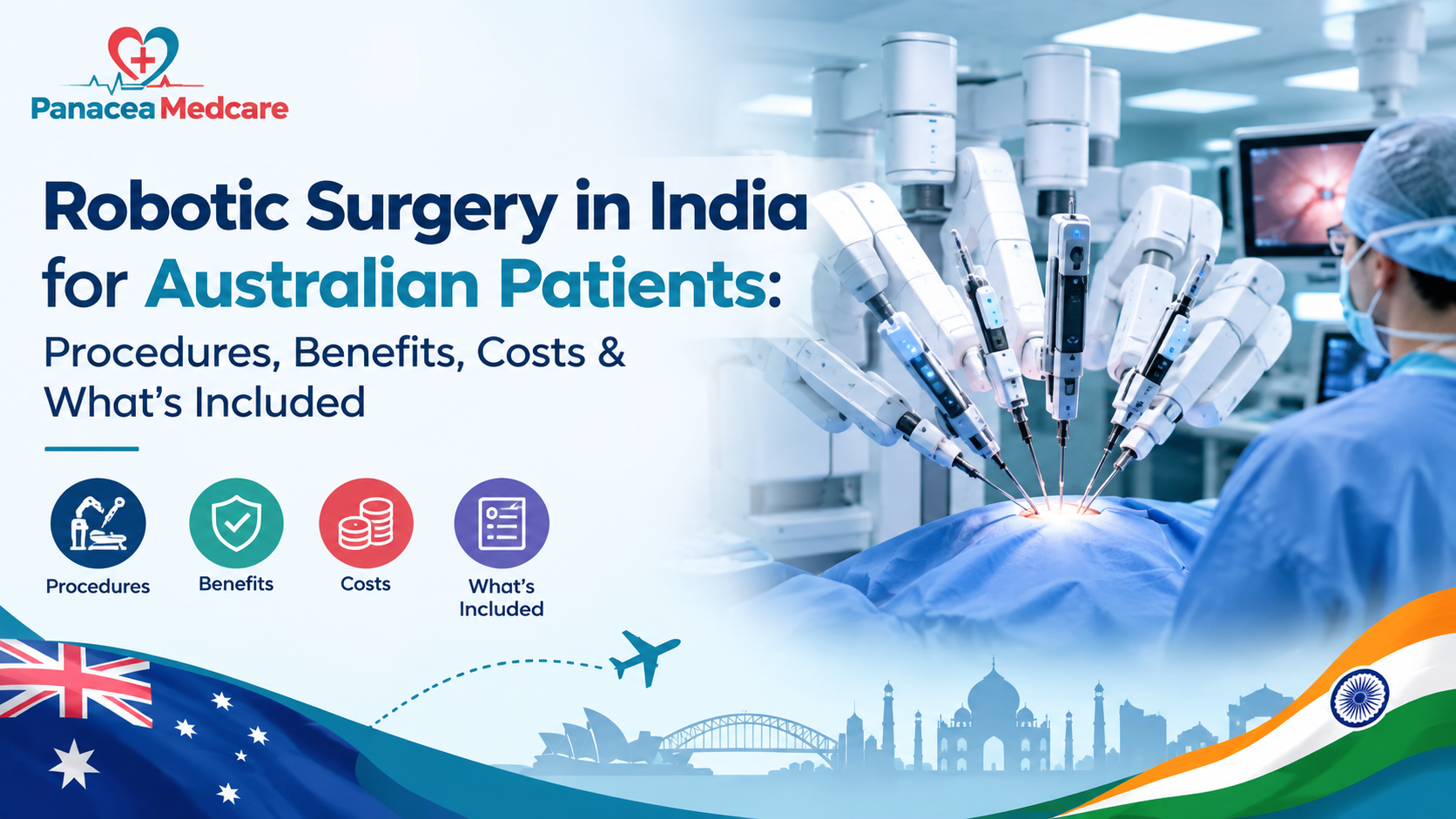
Robotic-assisted surgery is a relatively common reason why many patients travel to undergo the procedure due to smaller incisions, less blood loss, shortened recovery time, and better surgical accuracy in a variety of specialties.
Why Medical Tourism in India Continues to Grow
There are a number of reasons that have been fuelling international healthcare travel.
Affordability
Patients save a lot on treatment costs.
Advanced Infrastructure
The hospitals of the present generation facilitate complicated medical treatments.
Specialist Expertise
Efficient physicians enhance the quality of treatment.
Faster Treatment Access
Patients usually do not want to spend a lot of time in queues.
International Patient Services
Hospitals increasingly provide:
- visa assistance
- travel coordination
- accommodation support
- interpreter services
Typical Myths for Healthcare Treatment in India
Myth 1: Lower Cost Means Lower Quality
Indian healthcare today has proved that quality and affordability can co-exist.
Myth 2: Technology Is Outdated
Most hospitals have sophisticated systems comparable to those of healthcare providers worldwide.
Myth 3: Complex Procedures Are Not Available
India offers highly specialized treatments across various fields.
Myth 4: International Patients Receive Limited Support
Most major medical tourism providers offer specialized international patient services.
What International Patients Should Know Before Traveling
When it comes to treatment in another country, one has to plan.
- Collect Medical Records: Having all medical records enables experts to assess the case as accurately as possible.
- Understand Treatment Options: Treatments should be discussed by the patients prior to traveling.
- Plan Recovery Time: Other procedures take a long time to recover.
- Discuss Follow-Up Care: After returning home, long-term monitoring can continue.
The Future of Healthcare Technology in India
India has been investing heavily in healthcare innovation. Answering the future developmental questions is:
- artificial intelligence
- precision medicine
- robotic surgery
- digital health platforms
- genomic medicine
- advanced transplant programs
This is likely to position India more in terms of healthcare to other countries.
How Panacea Medcare Supports International Patients
Without appropriate guidance, planning healthcare abroad can be daunting. Panacea Medcare assists foreign patients to find expert specialists and high-quality healthcare providers throughout India.
Support includes:
- specialist consultations
- treatment planning
- hospital coordination
- cost estimates
- visa guidance
- accommodation assistance
- travel support
- recovery planning
This contributes to the increased availability and management of Medical Treatment in India to patients all over the world.
Conclusion
Affordability is not the only factor that has continued to propel Medical Tourism in India. It is a culmination of a strong union of superior technology in healthcare, professional medical staff, modern facilities, customized treatment planning, and much lower treatment expenses.
Cancer treatment, bone marrow transplants, cardiac surgery and organ transplants, as well as robotic surgeries, are just a few examples of the most advanced medical procedures available in India without compromising the value advantage of international patients.
With the continued development of healthcare technology, Medical Treatment in India will likely remain one of the most appealing options for patients seeking world-class care without the costs commonly associated with treatment in most developed nations.
To patients seeking a reliable source of advice in their healthcare experience, Panacea Medcare can facilitate all the processes, including appointing specialists and planning their treatment, traveling to their destination, and recovering, and thus making advanced healthcare in India more affordable to patients across the globe.
Frequently Asked Questions
1. What is the reason why Medical Treatment in India is popular among global patients?
Indian Medical Care is favored due to the availability of high-quality healthcare technology, highly qualified experts, well-equipped hospitals, and a wide range of treatments and procedures at much lower prices than in most nations.
2. Which are the most popular types of treatments pursued via Medical Tourism in India?
Cancer treatment, bone marrow transplant, cardiac surgery, organ transplant, orthopedic surgery, neurosurgery, cosmetic treatment, fertility treatment, and advanced dental care are some of the most common treatments.
3. Does India have comparable healthcare technology to developed countries?
The majority of Indian hospitals are at the forefront of technologies, including robotic surgery, AI-assisted diagnostics, digital pathology, precision oncology, advanced radiation therapy, and minimally invasive surgical systems, that are common in well-established healthcare systems.
4. What will international patients save by seeking treatment in India?
The cost of care varies by procedure, yet most international patients find that treatment costs in India are significantly lower than in other countries such as the USA, Australia, the UK, and various European states.
5. What is the average duration of treatment of international patients in India?
The necessary length of stay will be based on the medical condition and type of treatment. Certain procedures can be completed in just a few days and some difficult procedures like organ transplants, cancer treatment or bone marrow transplants can take several weeks or months of follow up care.
6. What can Panacea Medcare do to assist international patients who visit India?
Panacea Medcare assists patients in finding qualified doctors and top Indian hospitals and supports them through planning of treatment, medical consultations, hospital arrangements, cost estimates, visa support, accommodation, travel plans and support on recovery.